Brainspotting
“Emotion always has its roots in the unconscious and manifests itself in the body.”
—Irene Claremont de Castillejo, psychoanalyst and author
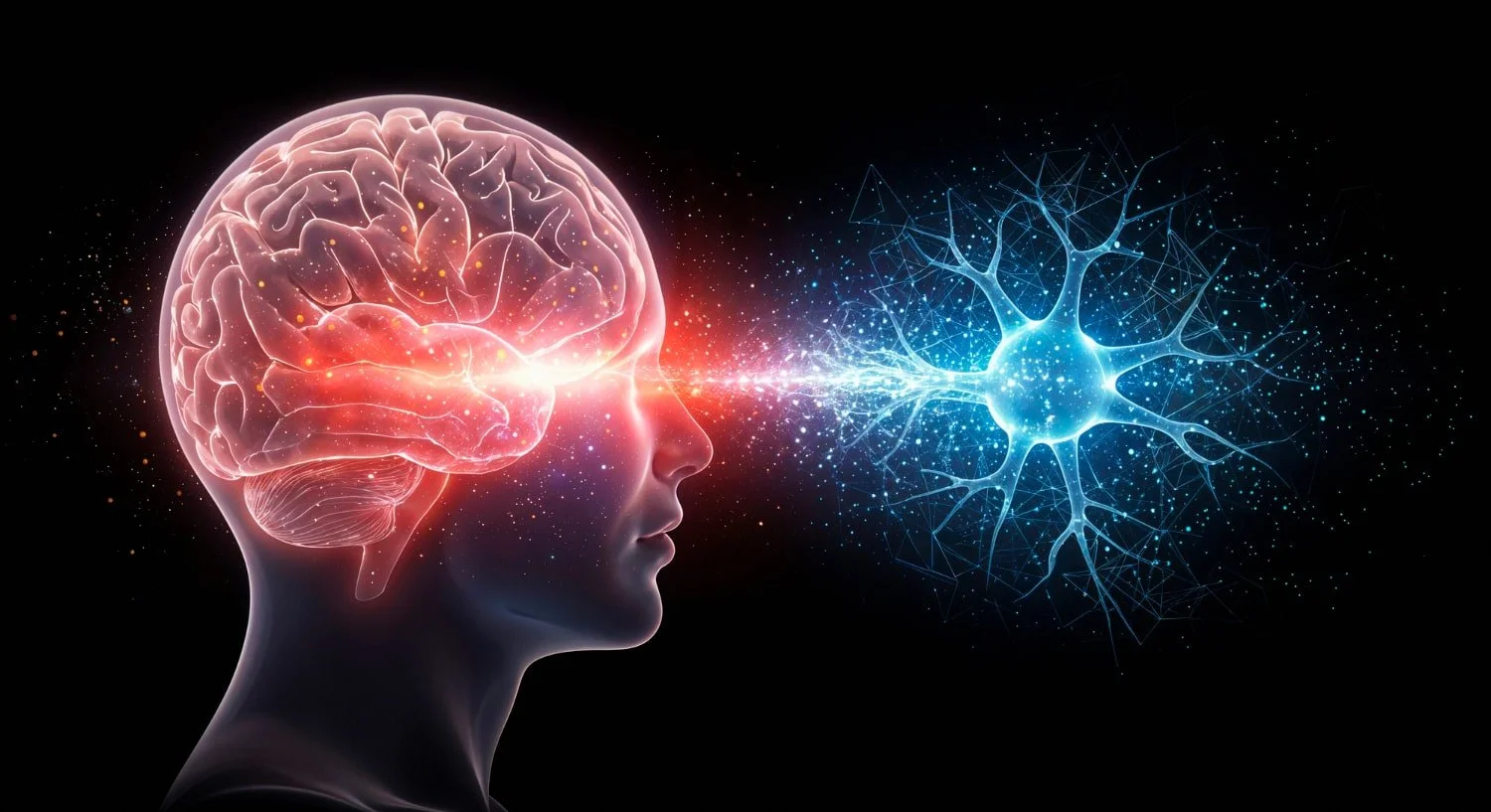
Brainspotting is a cutting-edge, clinically proven 🔗 treatment method for accessing the emotional (subcortical) part of the brain to process trauma and resilience. It is based on the idea that where you look affects how you feel. By finding visual “brainspots”, the brain may access, process, and release things that talking alone cannot reach.
Brainspotting works with the deep brain by using the eyes to access the autonomic (unonscious) and limbic systems (emotions, drive) within the body’s central nervous system. Clients listen to biolateral sound during Brainspotting sessions, which enhances the brain’s processing capability. In a survey of adults impacted by the Sandy Hook massacre, Brainspotting was rated by clients as the most effective therapeutic treatment. 🔗
Try it for yourself: settle into your seat, notice contact points with the ground and your chair e.g. your feet, sit bones. Notice your breath. Now, try to connect with a thought, memory, or image that causes some activation in your body. Try to keep it manageable – something that is causing mild irritation, such as arriving late at a work meeting or your partner’s irritating habits. Now, look at three specific spots in front of you: to the left; dead center; and to the right. Do you notice any small changes in bodily sensations?
Brainspotting isn’t just for trauma. Indeed, it was developed by psychotherapist Dr. David Grand while working with an ice skater. He noticed that when talking about a difficult jump that she was struggling to execute, her gaze kept shifting to the same spot. Brainspotting can help with all kinds of performance, including sports, music, acting, and public speaking. Because Brainspotting is a body-based process, it does not require a client to speak about their trauma while participating in a Brainspotting session.
While the healing effects of a therapist attuning to a client during Brainspotting cannot be replaced, in time clients can learn how to do Brainspotting on their own.
I am certified in Brainspotting 🔗, meaning that I have attended a series of trainings, undergone supervision, and completed a minimum number of sessions with clients. I offer Brainspotting intensives, which are sessions lasting two to four hours, for clients who wish to go deeper.