
Books
“The grief doesn’t end, because the love doesn’t end.”
—Unknown
The following books cover topics like trauma, healing, attachment, neuroscience, and emotional intelligence, and are recommended to my clients and anyone who is interested in personal development. Clicking on the titles/covers will take you to the book’s reviews/ratings page on Good Reads. 🔗
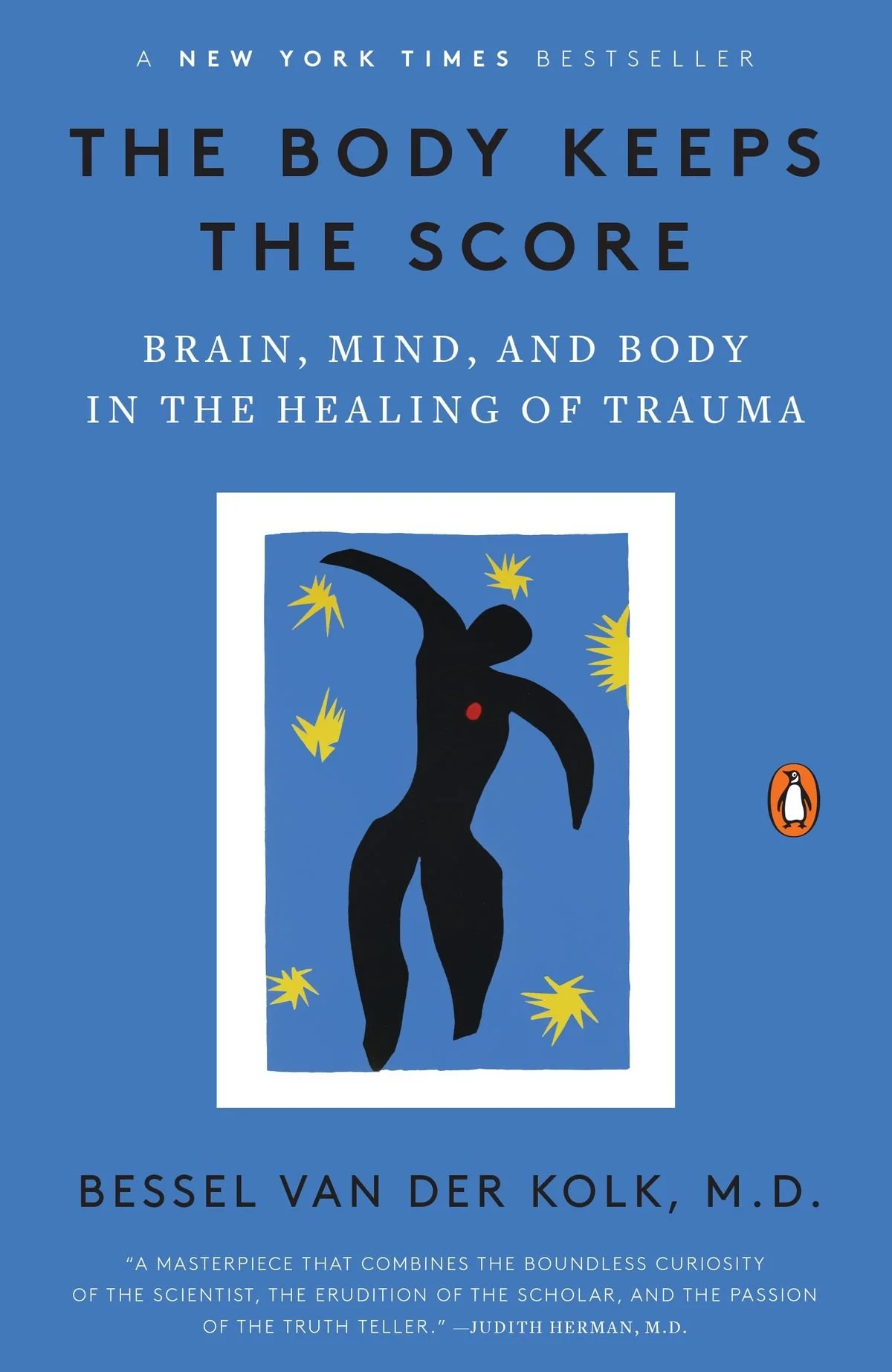
The Body Keeps the Score: Brain, Mind, and Body in the Healing of Trauma 🔗
-Bessel van der Kolk
Not the most compassionate book, this is at times a bleak read. It is, nevertheless, a must-read for anyone interested in the mind-body connection, specifically the long-term effects of trauma on the body, and how body-based activities such as dance and acting can play an important role in healing said trauma.
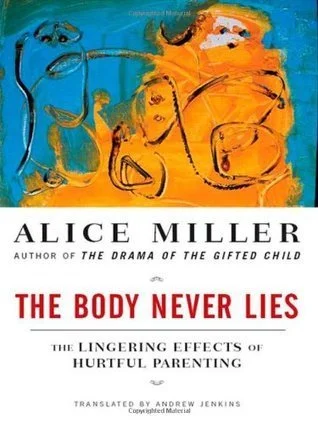
The Body Never Lies: The Lingering Effects of Hurtful Parenting. 🔗
-Alice Miller , Andrew Jenkins (Translator)
Miller is a true champion of children. Her compassion shines through in this book that looks at how early childhood trauma is so often carried into adulthood and negatively impacts our bodies. She uses some high profile case studies to illustrate what she calls the “domestication” process, which she believes is the normalizing of the emotional abuse of children.
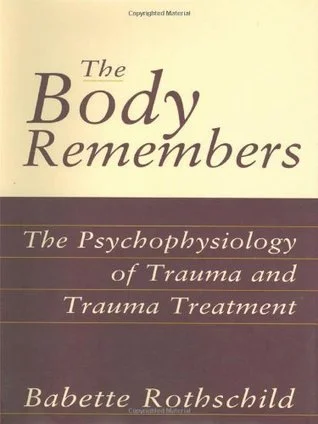
The Body Remembers: The Psychophysiology of Trauma and Trauma Treatment 🔗
-Babette Rothschild
A more compassionate and accessible read than The Body Keeps the Score, Rothschild takes a more experiential approach than Van der Kolk, offering readers a range of simple to understand, somatic tools to support their healing journeys.
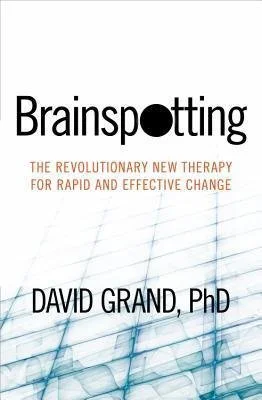
Brainspotting: The Revolutionary New Therapy for Rapid and Effective Change 🔗
-David Grand
Grand, who discovered the effectiveness of Brainspotting as a trauma-healing tool while working with an ice skater, presents the concept to readers in a very readable format, resisting a deep-dive into the neuroscience behind it in favor of sharing its practical uses and benefits.
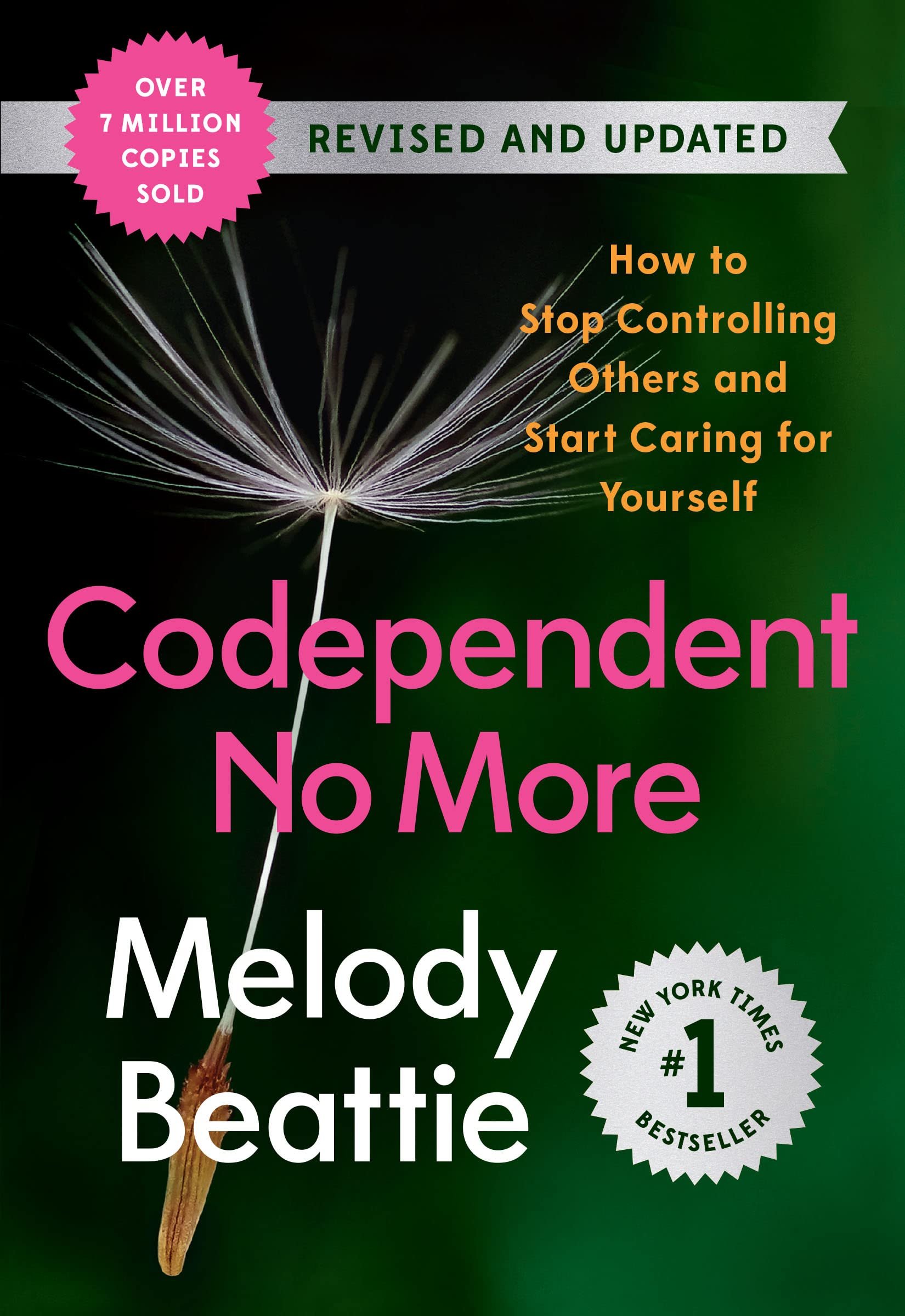
Codependent No More: How to Stop Controlling Others and Start Caring for Yourself 🔗
-Melody Beattie
The definitive book about codependence, Beattie’s trailblazing 1986 work has sold over eight million copies and has been translated into over a dozen languages. Beattie is both brutally honest about the harmful effects of compromising one’s own needs to please others, and compassionate about the process of transforming these behaviors.

-Virginia M. Axline
An all-time classic that is essential reading for prospective therapists, this short read briliantly exemplifies the power of reflective listening and validating another human’s emotional experience. While the focus is on the author’s interactions with a young boy, her teachings are relevant to all relationships. Bring some tissues.
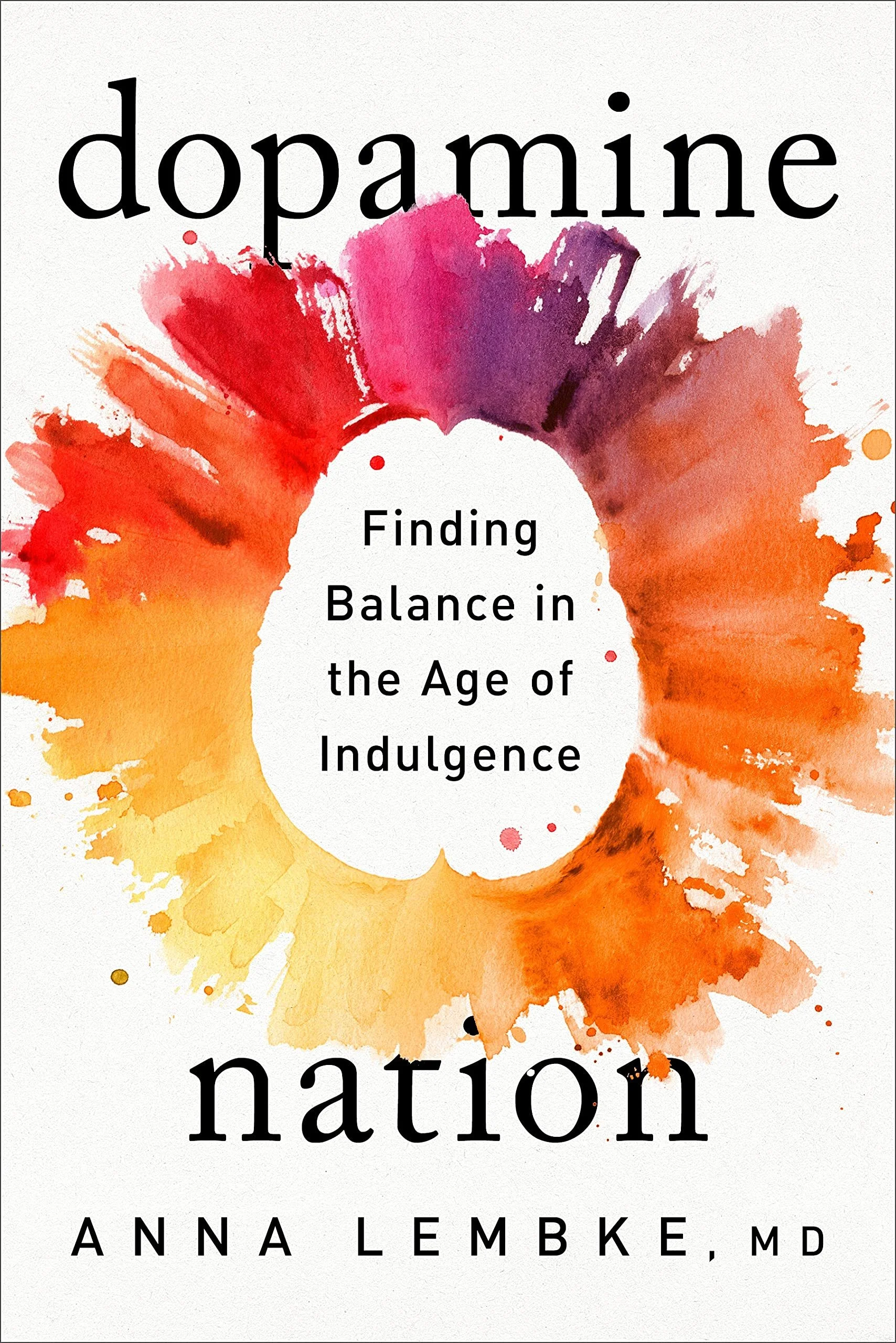
Dopamine Nation: Finding Balance in the Age of Indulgence 🔗
-Anna Lembke
Lembke explores the relationship between pain and pleasure and its effects on our brain chemistry. Using a range of anonymous, real life examples from her psychiatry practice, she simplifies complex neuroscience as she outlines theories about modern day Western overconsumption.
-Kent D. Fisher
Fisher generously shares about his own healing journey while explaining the importance of centering trauma treatment around reconnecting with the body. Michelle Rappaport provides expertise in the neurobiology of attachment at the end of each chapter. “Emotional harmony” is the term they give to integrating the thinking left-brain hemisphere with the emotional right-brain, rather than being led by one or the other. Both authors, who met in grad school while training as addictions counselors, have been in recovery for several decades and their compassion for their fellow travelers oozes out of these pages. It also inspired them to develop Somex, a cutting edge trauma treatment that the book introduces.
-Travis Bradberry, Jean Greaves
Essential reading for anyone who works alongside other people, Bradberry outlines the concept of emotional intelligence, or EQ, in easily digestible fashion, breaking it down into four categories and offering 15-20 bit-sized strategies to help improve each component. The book gives readers a code that allows them to take an EQ test before reading the book, and again upon completion, to chart progress and prove that, unlike IQ, emotional intelligence is highly changeable if we are motivated to work on it.

Facing Love Addiction: Giving Yourself the Power to Change the Way You Love 🔗
-Pia Mellody , Andrea Wells Miller , J. Keith Miller
Pia Mellody’s seminal work on attachment was years ahead of its time. It challenged traditional attachment theory by accentuating the dynamism of attachment: we can flip-flop between anxious and avoidant attachment at the drop of a hat. This should be no surprise, because we attach (or don’t) to two parents and therefore two styles. Beyond attachment, Mellody outlines how Hollywood-like, romanticized love is often mistaken for out-of-control, compulsive behaviors.
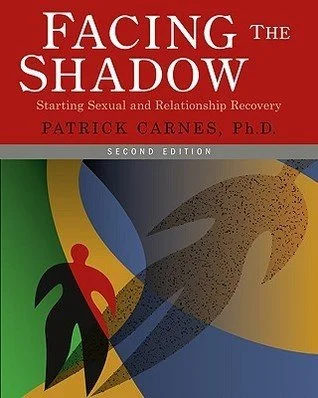
Facing the Shadow: Starting Sexual and Relationship Recovery 🔗
-Patrick J. Carnes
This is the workbook companion to Carnes’ pioneering work about sex addiction, Out of the Shadows. Carnes shares a task-based model for healing, encouraging those who struggle with compulsive sexual behaviors to look unflinchingly at themselves; he recognizes the role that shame plays in addiction, and therefore promotes the need for addicts to slowly and safely lay bare their behaviors. Doing so enables them to come out of the shadows.
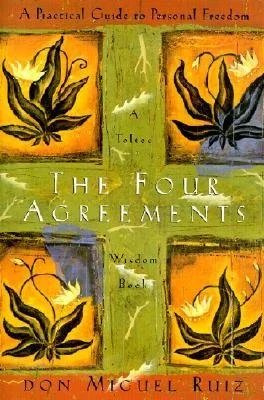
The Four Agreements: A Practical Guide to Personal Freedom 🔗
-Miguel Ruiz , Janet Mills (Contributor)
In this short read, Ruiz shares four simple and highly powerful principles by which we should abide in order to live a joyful, congruent, and serene life. They are: Be Impeccable With Your Word, Don't Take Anything Personally, Don't Make Assumptions, Always Do Your Best.
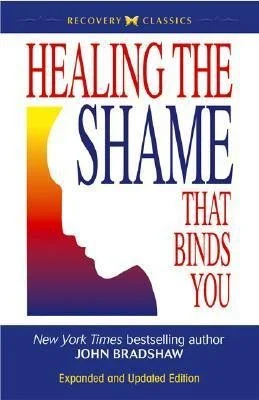
Healing the Shame that Binds You 🔗
-John Bradshaw
A difficult and necessary read, Bradshaw’s work on shame was groundbreaking and possibly career-defining. After love, shame may be the most powerful emotion, and Bradshaw courageously explores all the troublesome ways it shows up in our lives and how we can overcome it.
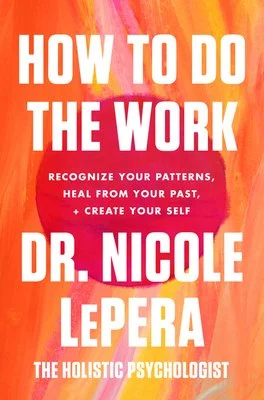
How to Do the Work: Recognize Your Patterns, Heal from Your Past, and Create Your Self 🔗
-Nicole LePera
While there isn’t much original thought in this book, clinical psychologist LePera does an excellent job of packaging together a wide range of healing strategies, drawing heavily on the work of those who have gone before her. She champions a holistic approach (she calls herself The Holistic Psychologist on Instagram) and highlights the importance of healing in community.

It Didn't Start with You: How Inherited Family Trauma Shapes Who We Are and How to End the Cycle 🔗
-Mark Wolynn
A pioneer in the field of inherited family trauma, Wolynn makes a compelling case for the reality of trauma being passed down through generations. This book may appeal both to those who are starting to explore their history, and those wishing to deepen their connection with their ancestors.
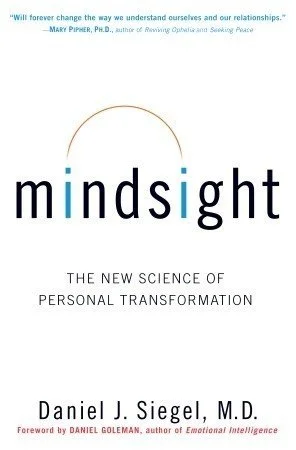
Mindsight: The New Science of Personal Transformation 🔗
-Daniel J. Siegel
Siegel is a thought leader in both interpersonal neurobiology and parenting. In this book he synthesizes complex neuroscience, making it accessible to readers who are on a growth journey. He explains that, thanks to the concept of neuroplasticity (the brain’s ability to develop at any age), we can break historical thought and behavioral patterns, literally re-wiring our brains. In doing so, like so many authors on this list, he accentuates the link between the ability to notice bodily sensations and mental health.
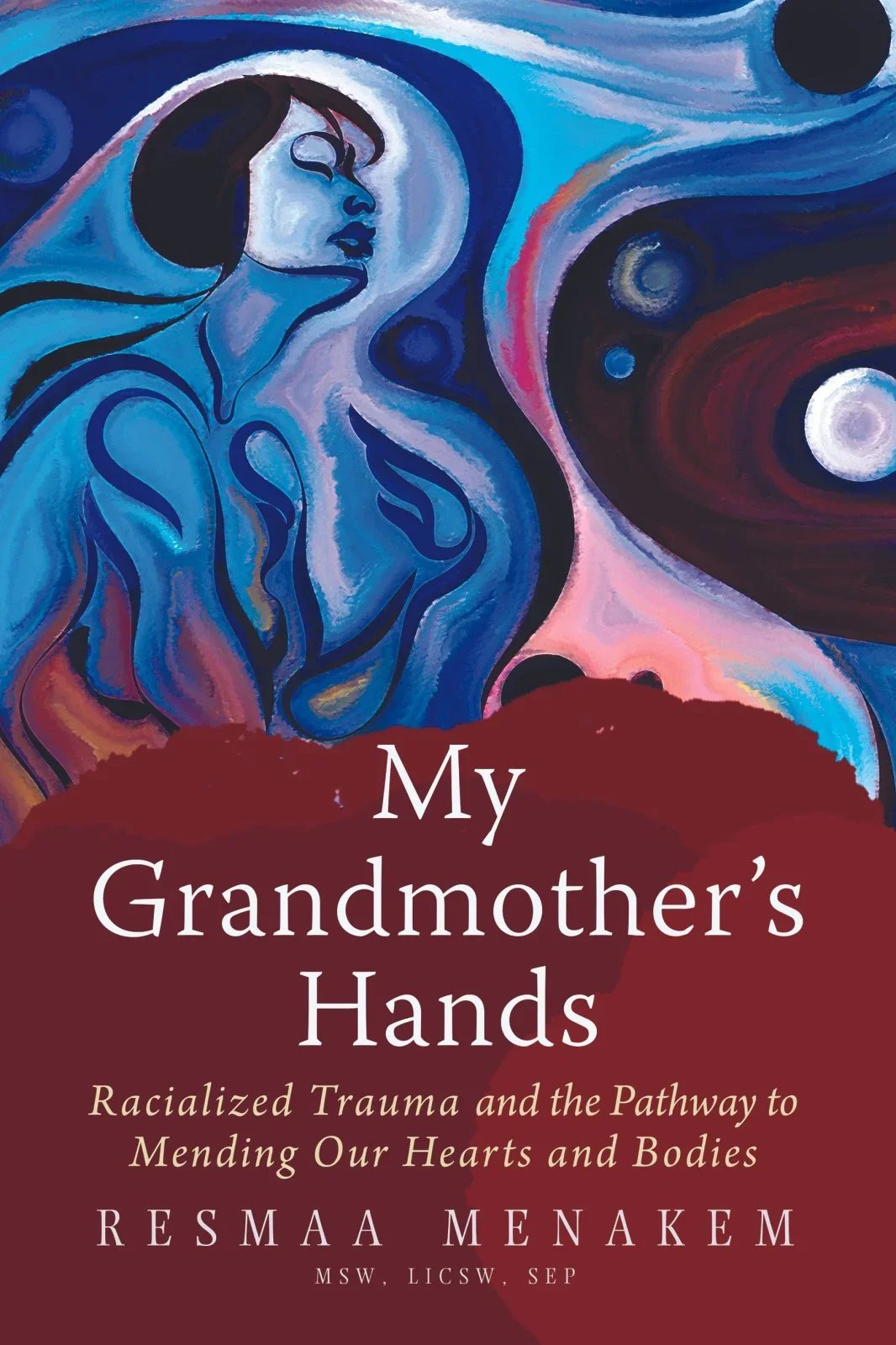
My Grandmother's Hands: Racialized Trauma and the Mending of Our Bodies and Hearts 🔗
-Resmaa Menakem
An extraordinary book that bravely tackles both both the origins of racism and effects of racial discrimination in modern day America. Sophisticated in its approach, it explains the role that shame plays in racism while pointing out that racism can exist between members of the same race. It advocates for a “bottom up” approach to healing, outlining the need for individuals to regulate their own nervous systems through somatic exercises, before coming together as communities to have difficult and necessary conversations about race and trauma.
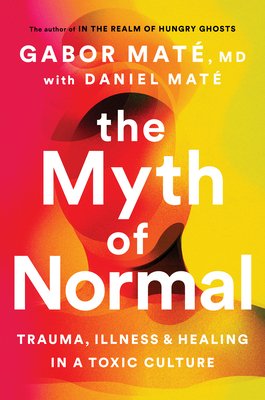
The Myth of Normal: Trauma, Illness, and Healing in a Toxic Culture 🔗
-Gabor Maté , Daniel Maté
A thought leader in trauma, Maté explains how Western society has normalized trauma. He makes a searing indictment of the antiquated Western medical model for its ignorance about the effects of trauma on the body. He advocates for a more thoughtful, person-centered approach to treatment and a more trauma-informed world.
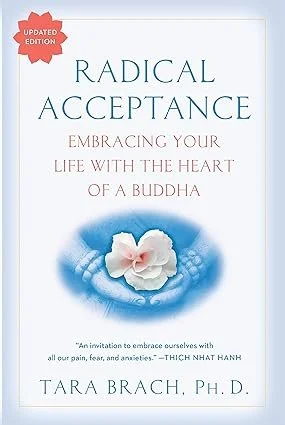
Radical Acceptance: Embracing Your Life With the Heart of a Buddha 🔗
-Tara Brach
Brach’s background is compelling: she spent 15 years as a Buddhist priest and meditation teacher while gaining a PhD in clinical psychology. As well as anyone I have come across, she demonstrates how Buddhist practices can be profoundly helpful to one’s healing journey. She explains how meditation and mindfulness helped her overcome trauma, addiction, and chronic illness, while offering readers a wealth of simple, practical strategies to implement in their day-to-day lives.
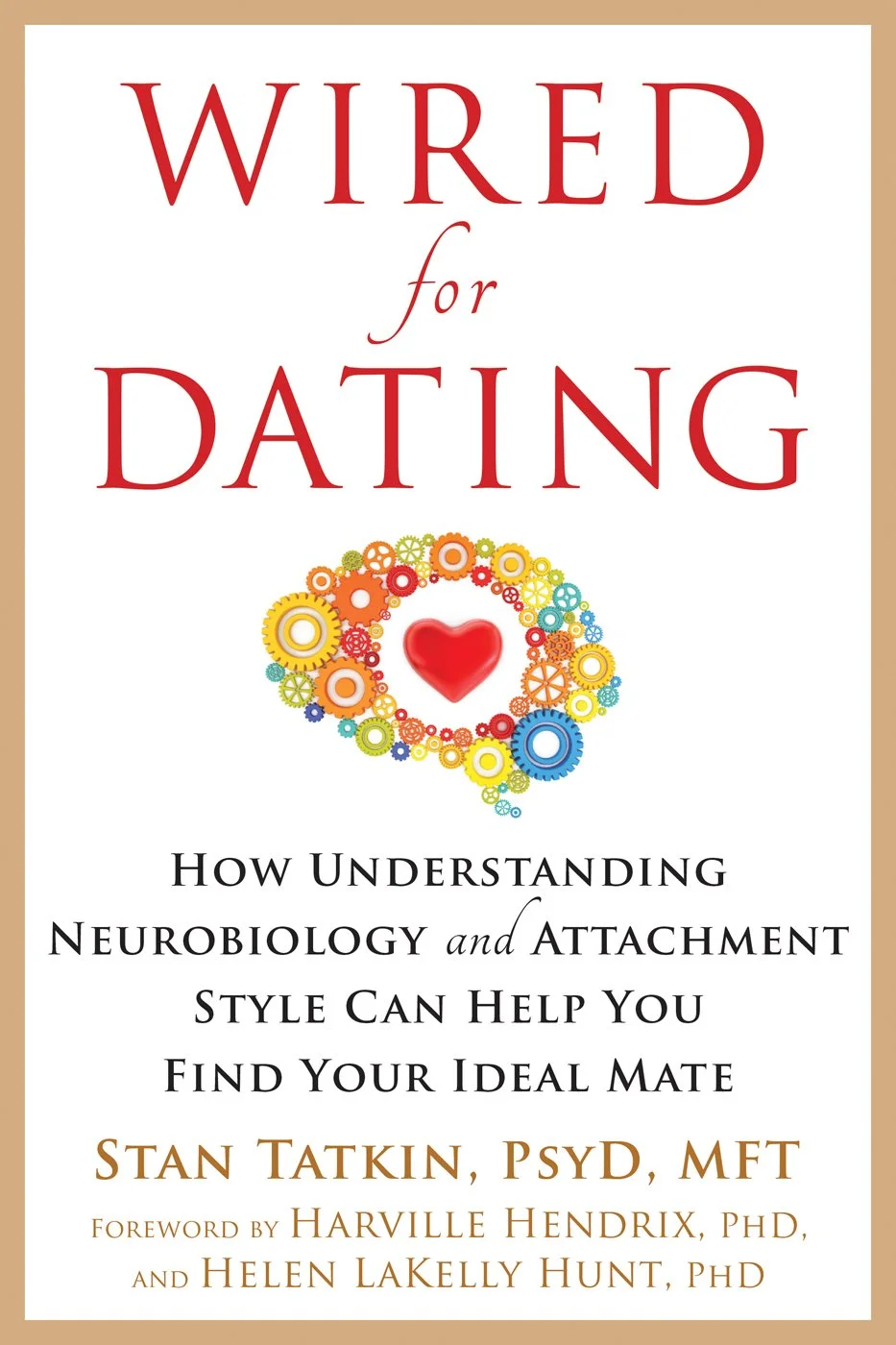
-Stan Tatkin , Harville Hendrix (Foreword) , Helen LaKelly Hunt (Foreword)
Using the latest neurobiology of attachment, Tatkin lovingly challenges individuals to be highly conscious and intentional about their dating. He advocates for the need to have a dating plan and, drawing on Allan Schore’s Modern Attachment Theory, outlines the changeability of attachment. He also uses a new language of attachment, substituting “secure” for “anchor”; “anxious” for “wave”; and “avoidant” for “island.”